

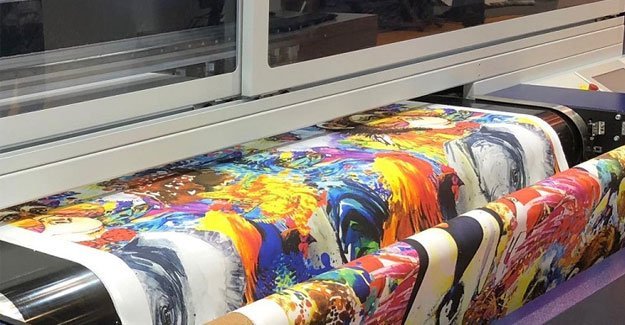
Demand for digitally printed textiles is rebounding strongly through 2021, and is set for accelerated growth over the next five years, according to ‘The Future of Digital Textile Printing to 2026’, the latest expert market study from Smithers. In 2021 the market was worth €3.82 billion (print service value), up from €3.16 billion in 2020. By 2022 the market will have recovered all of the sales it lost in 2020 due to the various disruptions of pandemic. Smithers forecasts that a compound annual growth rate (CAGR) of 12.7 percent will push global value to €6.95 billion in 2026.
Across the same period the volume of inkjet printed fabrics – apparel, household furnishings, technical textiles, display media – increases from 2.89 billion square meters (2021) to 5.53 billion square meters (2026). This will see inkjet’s share of the total printed textile market – 52.7 billion sq m (2019) – rise from 6 to 10 percent over the Smithers forecast period. For print OEMs, this presents a major area for diversification and growth as many other print segments continue to trend downwards post-pandemic. The vast majority of inkjet textile printers in operation are smaller models, with about 5 percent dedicated direct-to-garment machines. While large single-pass roll-to-roll printers account for the majority of output there are still fewer than 50 in operation worldwide.